The Wedding Day Timeline, Written by the Photographer
Most timelines are built backwards — the venue picks a ceremony time, everything else gets squeezed around it, and the portraits lose. Here is how to build one that survives contact with the actual day.
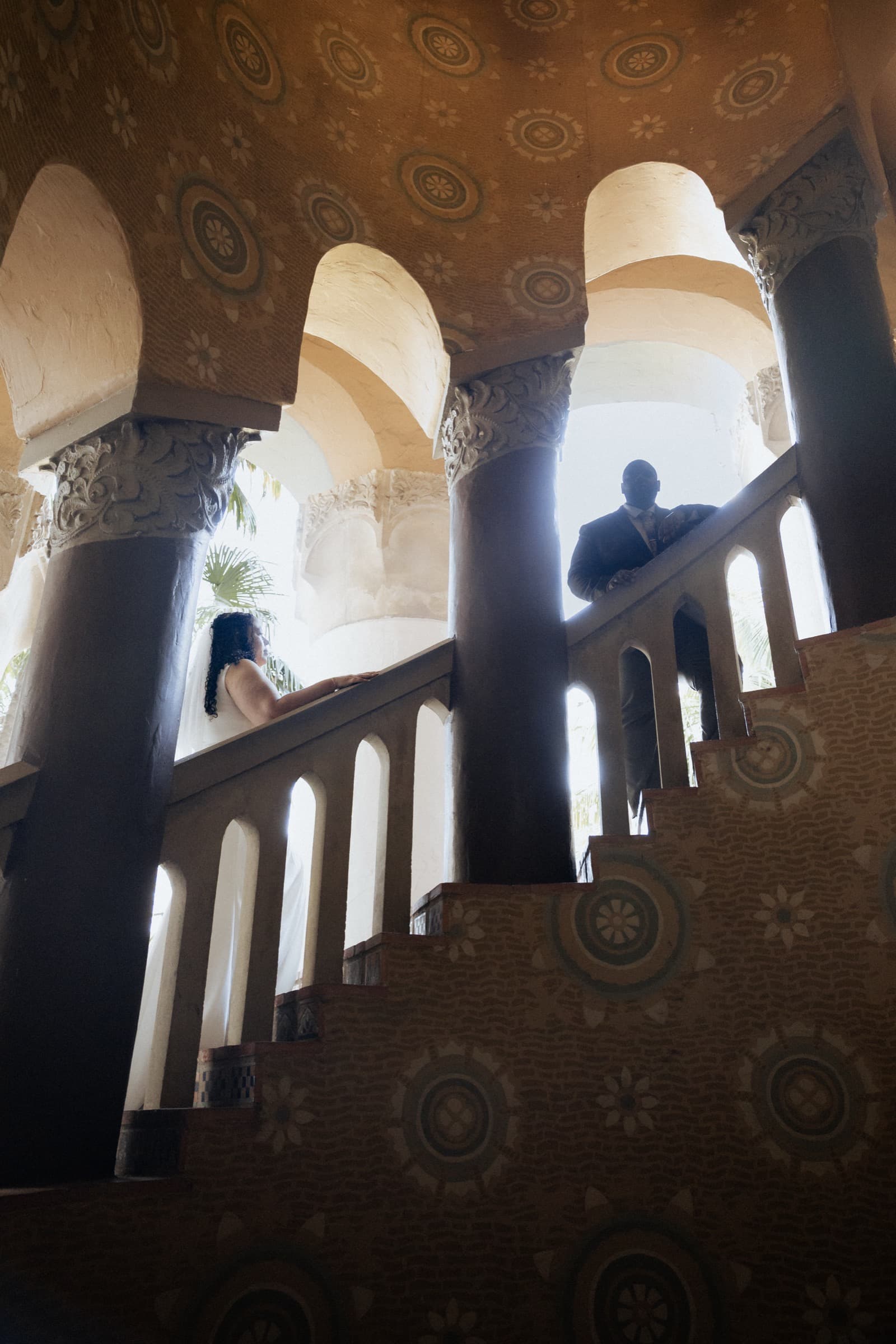
Every wedding we shoot that ran late ran late for the same reason: the timeline was built around when the venue said the ceremony starts, and everything else got wedged into the gaps. The good ones are built backwards from sunset.
This is the version we send couples. It is not a rule — it is what actually holds up when a bridal party is late and the caterer wants to serve.
Start from sunset and work backwards
Look up the sunset time for your date, at your venue. The half hour before it is the best light you will get all day, and it is the only part of the timeline that cannot be moved — the sun does not negotiate. Everything else does.
So put a 20-minute block there for the two of you, and build the rest around it. If your reception is running, you step out, we shoot, you come back before anyone notices. That single block is the difference between a gallery with a few great frames and one you actually print.
An 8-hour timeline
For a 5:00 PM ceremony with an 7:45 PM sunset — a typical Southern California spring or fall wedding:
- 1:30 — Coverage starts. Details: dress, rings, invitation, shoes, anything with meaning
- 2:00 — Getting ready, both sides. This needs a window and a room that is not buried in bags
- 3:15 — Into the dress, first look with a parent if you want one
- 3:45 — First look with each other (optional — see below), then couple portraits
- 4:15 — Wedding party photos while guests are still arriving
- 4:45 — Hide. Guests are seated
- 5:00 — Ceremony
- 5:30 — Family formals, immediately after, while everyone is still in one place
- 6:00 — Cocktail hour. You eat something. We shoot the room and the details before it is touched
- 7:00 — Entrances, first dance, toasts
- 7:25 — Golden hour. Twenty minutes outside, just the two of you
- 7:50 — Dinner and dancing
- 9:30 — Coverage ends
Eight hours covers everything except a late exit. If you want a sparkler send-off at 10:30, you need ten.
What ten and twelve hours buy you
Ten hours usually means coverage starts earlier — hair and makeup from the beginning, when the room is calm and the light is good — and ends after the exit. Twelve hours plus a second photographer means both sides of the getting-ready happen simultaneously instead of sequentially, which pulls an hour of pressure out of the middle of the day.
Our coverage runs 8, 10 or 12 hours depending on the package — the breakdown is here if you are trying to work out which one your day needs.
The four things that break a timeline
In order of how often we see them:
- Hair and makeup running over. Always. Add 30 minutes to whatever the artist quotes, and have the bride second to last, not last
- A family formal list of 25 groupings. Every grouping is three minutes once you count fetching people. Twelve is a good list; twenty is 45 minutes of your cocktail hour
- A ceremony that starts 20 minutes late, eating the exact 20 minutes reserved for portraits
- Travel between locations. A 15-minute drive is 30 by the time everyone is in a car and out of it
None of these are avoidable entirely. They are all survivable if the timeline has slack built in — which is why we pad every block rather than stacking them end to end.
The midday ceremony problem
If your venue only offers a noon or 1:00 PM ceremony, your portraits land in the hardest light of the day: overhead sun, deep shadows under the eyes, squinting. It is workable — open shade, backlighting, moving indoors — but it is not the same day.
Two fixes. Ask whether a Friday or Sunday opens a later slot; many venues are more flexible than the first answer suggests. Or plan to step out again near sunset, hours after the ceremony, for a second short portrait session. Ten minutes then is worth an hour at noon.
Before you lock it in
Send the draft timeline to your photographer before you send it to anyone else. We will tell you where it breaks — it takes ten minutes and it is the cheapest insurance in the whole plan. If you want to go deeper on the portrait half specifically, there is a separate guide to the portrait timeline, a shot list to work from, and an honest take on whether a first look is right for you.
Continue reading.
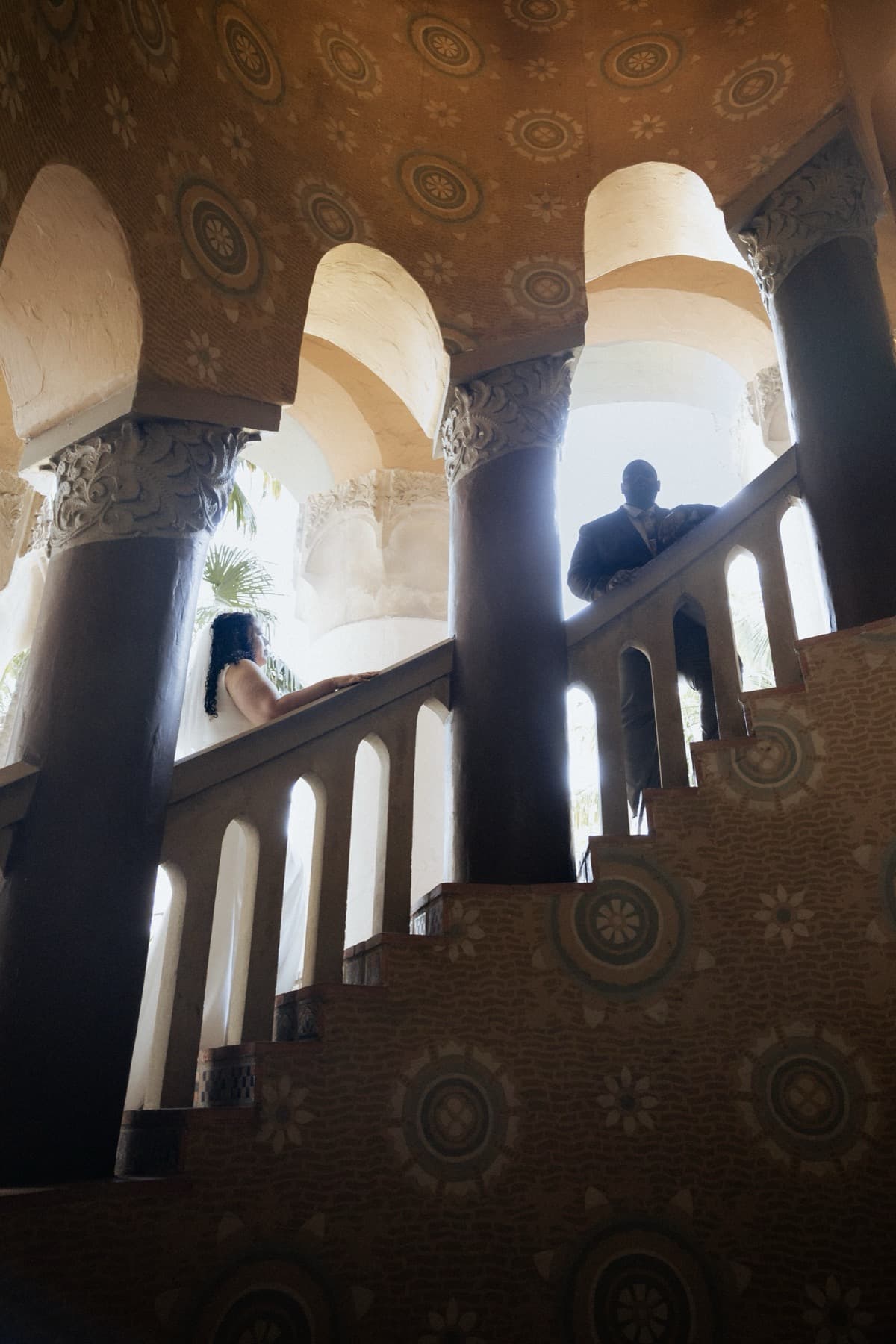
The Wedding Photo List: What to Send Your Photographer
You do not need a 200-item shot list. You need about twelve family groupings and the five things a stranger would never know were important. Here is how to write it.
Read article →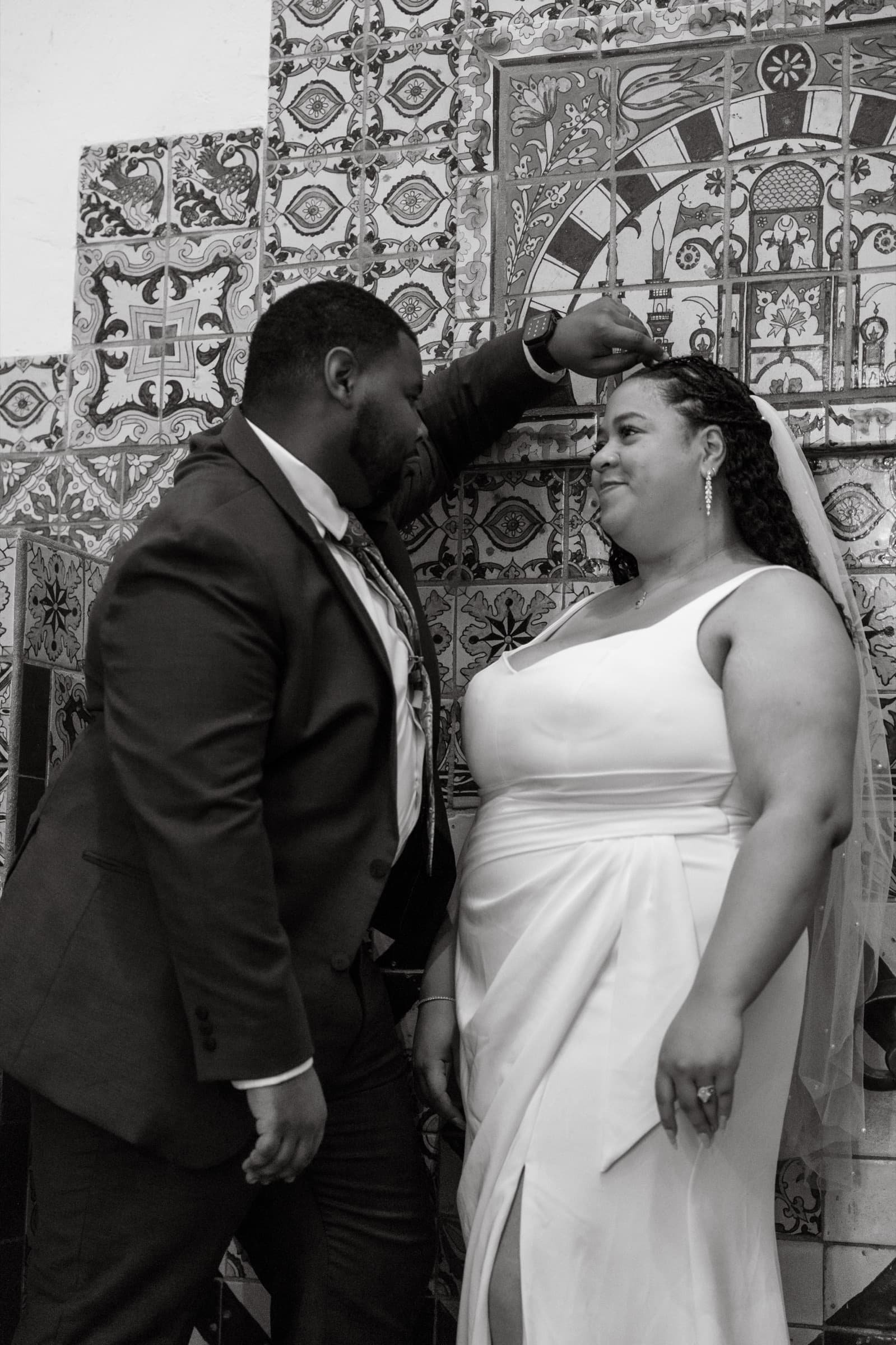
Should You Do a First Look? An Honest Answer
A first look buys you an hour and costs you a moment. Whether that is a good trade depends on your day — and on something most guides never mention.
Read article →How to Plan a Timeless Wedding Portrait Timeline
A simple guide to building a portrait schedule that keeps your day calm, unhurried, and beautifully documented from first light to final dance.
Read article →Tell us about
your day.
Dates fill quickly. Send a short note about your wedding — date, venue if you have one, and what you're hoping for. We reply within 24 hours.
Riverside, California · Inland Empire · Southern California